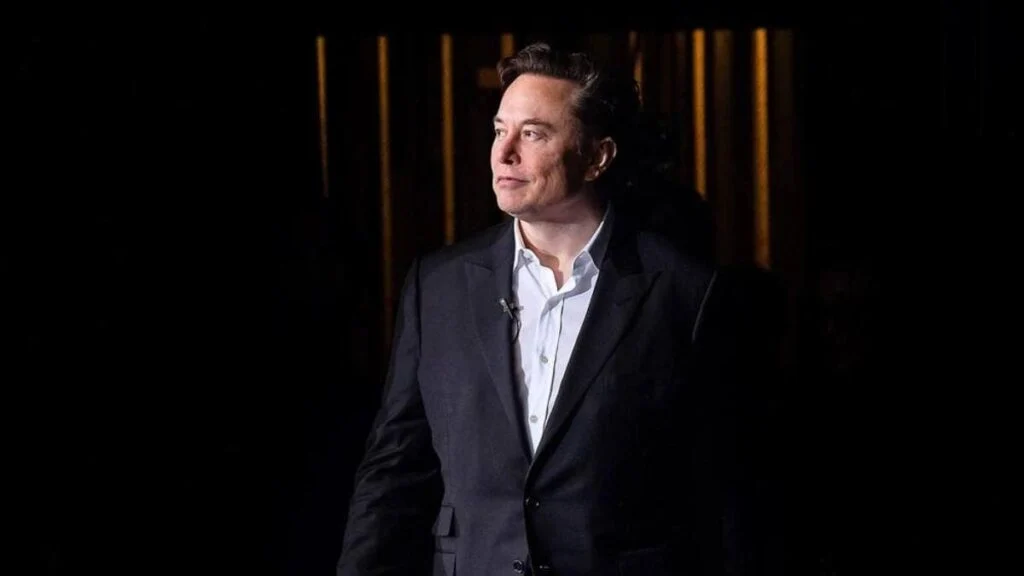
Elon Musk officially crossed the $1 trillion net worth milestone today as SpaceX made its historic Nasdaq debut under the ticker SPCX, priced at $135 per share, raising a record-shattering $75 billion and valuing the company at approximately $1.77 trillion.
This is not a rumor, not a projection, and not a forecast. It happened today. Shares opened at $150 and climbed as high as $168.75 during trading, a gain of more than 21% above the IPO price. Combined with his existing holdings in Tesla and other ventures, Musk's total estimated net worth now sits at around $1.1 trillion, according to Forbes. For context, the second-richest person on the planet, Google co-founder Larry Page, is worth an estimated $288 billion. Musk has more than three times that figure.
What Made This IPO So Different
SpaceX did not follow the usual IPO playbook. Instead of announcing a preliminary price range and letting market demand shape the final number, the company announced a fixed IPO price of $135 per share, a move with virtually no modern precedent among major U.S. listings. The result was a feeding frenzy. Reuters reported that SpaceX attracted more than $250 billion in orders, while retail investors alone submitted over $70 billion in share requests. That level of demand is nearly unheard of.
Nasdaq also revised its rules specifically to allow SpaceX to be included in its index-linked funds within just 15 days of listing, meaning investors holding QQQ or any Nasdaq 100-linked fund will automatically own a stake in SpaceX very soon, without having to take any action.
What Musk Actually Owns
Musk holds approximately 4.8 billion shares of SpaceX, representing around 42% ownership of the company, plus 350 million stock options exercisable at $8.39 per share. That stake is the primary driver of his trillion-dollar fortune. SpaceX's IPO added roughly $192 billion to the value of his holdings above the pre-IPO estimate. At peak trading prices on the day of listing, his SpaceX stake alone was valued at around $690 billion.
This is largely a paper fortune — meaning it moves with the stock price and is not cash sitting in a bank account. That distinction matters, but it does not make the milestone any less historic.
The Business Behind the Valuation
SpaceX reported $18.67 billion in revenue for 2025, which was a 33% increase year over year. However, the company also posted a net loss of $4.94 billion, reversing a $791 million profit from the year prior. Cumulative losses from the start of 2025 through March 31, 2026 reached $8.7 billion.
The engine of SpaceX's actual cash generation is Starlink, its satellite internet service, which analysts say is essentially subsidizing the development of Starship and the company's xAI ambitions. Without Starlink's profitability, some would say SpaceX's core rocket business would be deeply cash-negative. Investors are not just buying what SpaceX earns today. They are buying a bet on rockets, satellite internet dominating global connectivity, AI infrastructure in orbit, and the long-term possibility of a colony on Mars.
SpaceX itself has said its total addressable market could be worth $28.5 trillion. Whether that figure ever materializes is a separate question, but it tells you how large the ambition is.
Why Some Analysts Are Cautious
Not everyone is celebrating without a raised eyebrow. Morningstar has estimated SpaceX's fair value at around $780 billion, roughly half of where the market priced it on debut day. At a valuation of $1.77 trillion, investors are paying approximately 94 times the company's trailing annual revenue — a price-to-sales multiple that exceeds even Nvidia and Palantir, both of which are considered aggressively priced in today's market.
SpaceX also does not yet meet the profitability requirements needed for inclusion in the S&P 500. S&P Global confirmed it will maintain its existing rules, which require profitability in both the most recent quarter and across the trailing four quarters. Until SpaceX clears that bar, it will not appear in SPY or VOO automatically.
This does not mean the market is wrong to be excited. It does mean the valuation requires a significant amount of future growth to actually be justified.
Why This Matters Beyond Elon Musk
SpaceX is the first of three major listings expected in 2026. Anthropic and OpenAI are both being watched closely as the next mega-cap companies expected to go public. Collectively, these listings represent a test of how much appetite institutional and retail investors have for high-valuation, high-ambition companies that are not yet traditionally profitable.
The so-called Musk premium is also on full display here — the extra valuation that markets turn to assign to companies tied to his personal brand and long-term vision. It worked spectacularly for Tesla, which has returned over 20,000% to shareholders since its 2010 debut, generating more than $1.2 trillion in investor wealth. SpaceX bulls are betting on a similar trajectory.
The Bottom Line
The headline is real: Elon Musk is now the world's first trillionaire on paper, thanks to SpaceX's landmark Nasdaq debut. The underlying story is more nuanced — a company burning billions annually but building toward an addressable market larger than most countries' GDPs, backed by the kind of investor conviction that simply cannot be explained by traditional valuation models alone.
Whether SpaceX justifies its price over the next decade will be one of the most watched stories in business. For now, history has been made.
Save and Share Moments Like These with GrabReel
Big news moves fast on social media, and some of the best reactions, breakdowns, and commentary around SpaceX's IPO are already flooding Instagram right now. If you want to save a reel, video, photo, story, or thumbnail covering this historic moment — GrabReel makes it effortless. Simply paste the Instagram link, and GrabReel lets you download any reel, photo, video, story, or thumbnail in seconds, with no watermark and no hassle. Whether it's a financial explainer reel you want to revisit or a moment you want to share with someone, GrabReel helps you save and relive what matters. Try it at GrabReel.com.