
Here's something the Instagram growth industry does not want to say out loud: most creators are posting too much.
Not too much in a controversial way. Too much in a practically self-defeating way. They churn out content every single day — sometimes twice — because a YouTube growth guru told them the algorithm rewards posting frequency above all else. And maybe it did three years ago. Instagram in 2026 does not function that way anymore, and if you are still operating on the "post every day or your account dies" mindset, you are likely burning yourself out for results that would actually improve if you slowed down, invested more intentionally, and posted less.
This is not motivational reframing. This is a practically tested, real-world-verified approach that creators across every niche — not celebrities, not brands with dedicated media teams, but individual creators building audiences from scratch — are using to grow more effectively by publishing less frequently. The performance difference is not marginal. Creators who shifted from daily posting to three or four deeply intentional posts per week consistently report higher individual post reach, stronger save rates, better follower quality, and dramatically reduced creative exhaustion.
This guide breaks down exactly why this counterintuitive approach works at an algorithmic level, how to implement it practically in your weekly workflow, and what specific changes to make starting this week. No abstract theory — only directly applicable, actionable strategy.

The Daily Posting Myth: Where It Originated and Why It No Longer Applies in 2026
Let's establish the historical context. Between 2018 and 2021, Instagram was actively expanding and competing aggressively against TikTok for user attention and creator investment. During that period, the platform's algorithm rewarded posting volume because it needed to fill feeds, test content formats, and signal to creators that consistent publishing was worth the effort. Post every day, appear in feeds more often, get more impressions, grow your follower count. The relationship between frequency and growth was relatively straightforward.
But the platform matured significantly. Feeds became intensely competitive as the total number of active creators exploded globally. The Instagram algorithm evolved from a system that rewarded frequency as a primary signal to a system that prioritizes quality engagement indicators above virtually everything else. That fundamental shift is massive — and most creators are still operating on a mental model that stopped being accurate years ago.
Today, Instagram's content ranking system weights what your audience does with your content far more heavily than how often you publish. A single post that earns significant saves, sustains long watch times, generates meaningful share activity, and drives profile visits will consistently outperform five forgettable posts that people scroll past in half a second without any behavioral engagement. The algorithm is measuring the quality of audience response — not the volume of your publishing schedule.
The mechanism is straightforward: Instagram is fundamentally in the business of keeping users engaged with the platform. Content that holds attention and generates genuine behavioral engagement serves that business objective. Content that people consistently skip does the opposite. If you publish daily and the majority of those posts generate passive scrolling with no saves or shares, you are actively training Instagram's algorithm to deprioritize your account in its distribution decisions. That algorithmic signal is genuinely difficult to reverse.
What Instagram's 2026 Algorithm Actually Rewards: The Specific Quality Signals
The quality-over-quantity argument becomes practically undeniable when you examine the specific behavioral signals Instagram's algorithm uses to evaluate and distribute content.
Watch-through rate is the single most heavily weighted metric in Instagram's Reels ranking system currently. The percentage of viewers who watch your Reel from the first frame to the final frame is the clearest behavioral signal of genuine content value. A 15-second Reel with an 80 percent completion rate will receive algorithmically broader distribution than a 60-second Reel with a 20 percent completion rate — even if the latter has more total views. This metric specifically rewards tighter, better-edited, more intentional content production. Not more frequent content production.
Saves carry substantial algorithmic weight as a quality signal. When someone saves your post, they are sending Instagram a direct behavioral signal: this content is valuable enough that I want to return to it later. That save signal carries more algorithmic weight than a like, in most cases more than a comment, and often more than even a share. Posts that consistently earn saves are posts that teach something genuinely useful, solve a real problem, or provide a reference worth returning to. That depth of value is only achievable when you have the time and focus to produce each post with real intentionality — which daily posting schedules actively prevent.
DM shares — when someone sends your Reel to a specific friend as a direct message — are the third major quality signal that Instagram weights increasingly heavily in 2026. A DM share tells the algorithm that your content was socially relevant and personally meaningful enough that someone thought of a specific person and sent it directly to them. This signal is extremely difficult to manufacture at high content volume. When you invest your production time in fewer, significantly better posts, DM share rates climb measurably because the content genuinely resonates at a personal level.
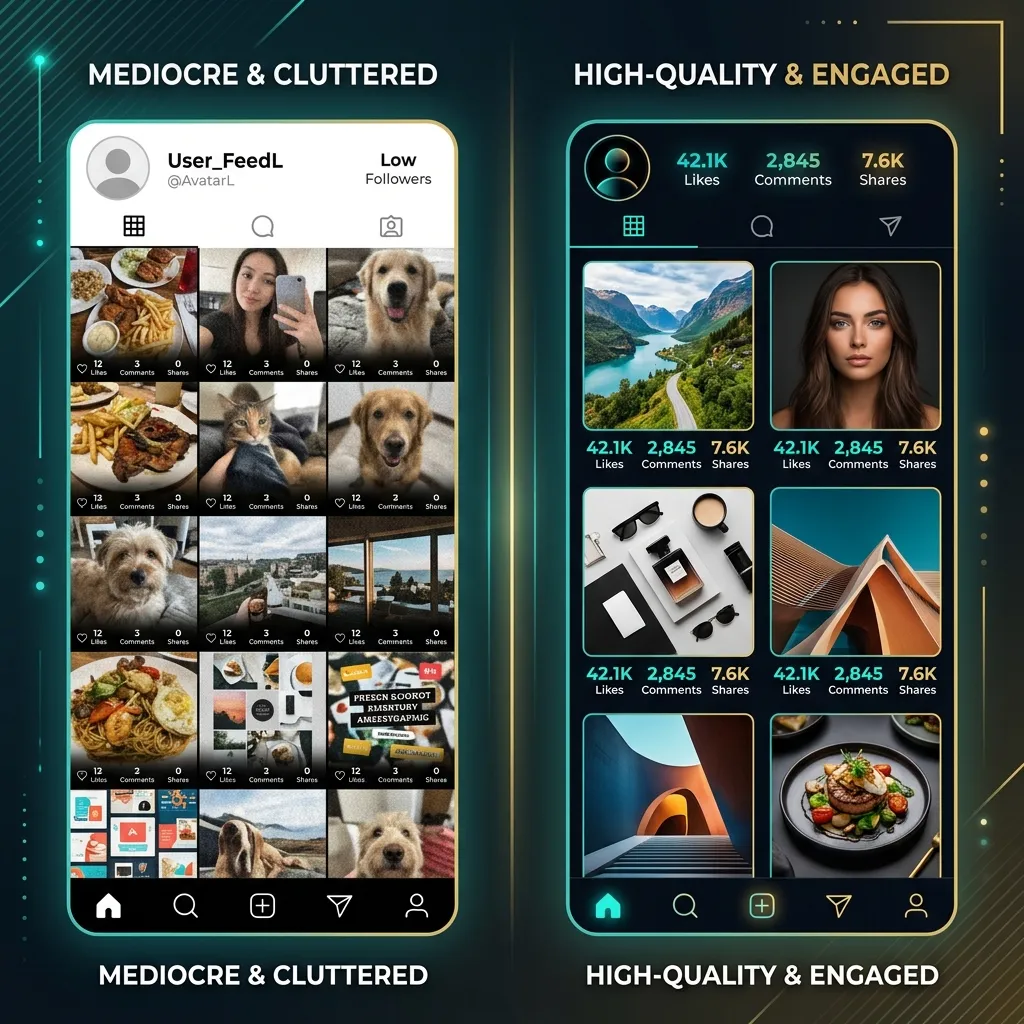
The Real Hidden Cost of Posting on Instagram Every Single Day
Beyond the algorithmic argument, there is a fundamental human cost to daily posting that the growth industry consistently ignores. Posting every day is exhausting. It converts content creation — which for most creators begins as an intrinsically motivating creative activity — into a relentless, creativity-depleting production line that operates 365 days per year without natural breaks.
Consider what daily Instagram posting actually requires in practice. A genuinely new content idea every 24 hours. Filming or designing that content. Editing the video or graphics. Writing a caption. Selecting or creating a cover image. Choosing relevant hashtags. Publishing at an optimal time. If you are a solo creator managing all of these tasks independently, that represents several hours of production work every single day. No weekends. No creative recovery periods. No time to step back and critically evaluate whether the strategy is actually producing the results you are investing this effort to achieve.
And the deepest problem: when you are locked into that daily production cycle, content quality inevitably and progressively deteriorates. Ideas get recycled prematurely. You publish because the schedule demands it rather than because you have something genuinely worth saying. Editorial standards get cut because there is simply no time to maintain them. Captions get shorter and vaguer because you have already written six this week and your creative capacity is genuinely exhausted.
Your audience registers this quality decline even without consciously articulating it. They scroll past your posts incrementally faster. They stop saving your content. They gradually disengage in ways that are difficult to identify in vanity metrics but very clearly visible in saves, shares, and watch-through rates. The algorithm follows their behavioral signals faithfully — not your effort level or your calendar consistency. The practical result is that you work significantly harder while reaching fewer people than before. That is an unsustainable and ultimately losing strategy.
The demonstrably better alternative is to reduce your posting frequency and deliberately redirect the reclaimed time toward making each published piece substantially better. Three high-quality posts per week — each with a well-researched hook, clean production, thoughtful editing, and a caption that adds genuine value beyond the visual — will consistently outperform seven rushed daily posts in every meaningful metric. Every single time.
How to Decide What Deserves to Be an Instagram Post (Practical Filter)
This is the point where most "post less" advice fails its readers, because it never explains the practical criteria for what makes the selection cut when you reduce from seven posts to three. If you are posting three times per week instead of daily, those three posts must be your genuinely strongest ideas — not simply the first three ideas that come to mind on posting days.
Run every content idea through this three-question filter before committing production time to creating it:
- Does this specific piece of content teach something clearly useful, solve a recognizable problem, or generate a distinct emotional response in my target audience?
- Would I personally save this post if I encountered it on someone else's account in my niche?
- Is there an obvious, compelling reason for someone to share this with a specific friend or bookmark it to return to later?
If all three answers are clearly yes, the idea is worth producing with your full attention. If only one or two boxes check, the concept needs additional refinement and development before it deserves your best production effort. This filtering process is deceptively straightforward but practically eliminates 50 to 60 percent of the low-impact filler content that most creators publish reflexively without strategic evaluation.
Another highly valuable exercise: analyze your last 20 Instagram posts and rank them specifically by saves received — not likes. The posts with the highest save rates are telling you precisely what your audience values most deeply. They also reveal the content formats, topic areas, and production styles that deserve more of your attention and creative investment. Doubling down on those proven themes is consistently more effective than constantly generating new, untested content ideas to fill a demanding daily publishing schedule.
The 3-Post-Per-Week Instagram Framework That Consistently Produces Results
Here is a specific, repeatable weekly content system you can implement starting this week. It requires no content team, no sophisticated scheduling software, and no elaborate strategy documentation. It requires only disciplined intentionality applied to each piece of content you produce.
Post 1: The Value Post (Publish on Tuesday)
This is your primary teach-or-solve piece of content. A step-by-step tutorial, a detailed topic breakdown, a practical tip sequence, a common mistake explainer — any format that leaves the viewer thinking, "I need to save this to reference later." This post type earns saves more reliably than any other format. The hook must be sharp and immediately relevant, the production must be clean, and the caption should reinforce, expand on, or add complementary depth to the visual content. Budget 60 to 90 minutes to produce this one post correctly — that time investment directly translates to saves and profile visits.
Post 2: The Relatability Post (Publish on Thursday)
This is where authentic personality and genuine human connection live in your content. An honest opinion, a behind-the-scenes production moment, a relatable observation from within your niche, or a brief personal story that ties meaningfully back to your content theme. This format earns DM shares and comment engagement. People send relatable content to specific friends because it feels personally relevant. They comment when something strikes them as unexpectedly honest or familiar. This post does not require heavy production — authenticity is the editing approach here, and natural delivery consistently outperforms over-produced performances.
Post 3: The Authority Post (Publish on Saturday)
This is your expertise-demonstration and proof-of-credibility content. Show a documented result, analyze a real example from your own experience, share original data or observations, or provide a detailed deep-dive into a topic your audience is actively curious about. This format earns profile visits and follows more effectively than the other two types. When a viewer encounters a post that makes them think, "this person genuinely knows what they are talking about in depth," they visit the profile. When the profile confirms that impression through its overall content quality and clear niche focus, they follow. That conversion sequence — post engagement to profile visit to follow — is the foundation of sustainable Instagram growth.
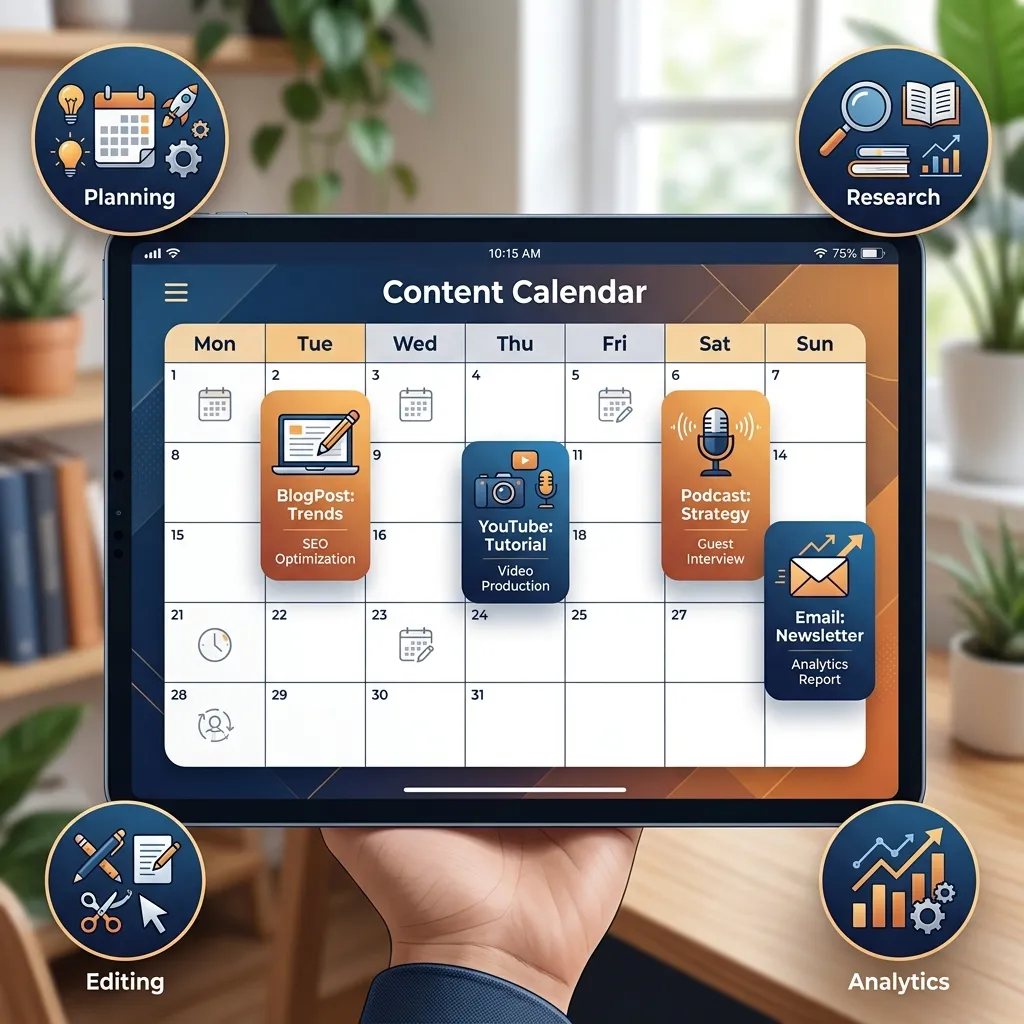
How to Invest the Time You Reclaim from Daily Posting
When you stop posting daily, you recover a significant block of production time. Where you direct that reclaimed time determines whether the quality-over-quantity strategy actually produces the growth improvement it promises.
Invest Disproportionately in Hook Quality
The first three seconds of a Reel or the opening line of a carousel slide determines whether the remaining 80 percent of your content is ever consumed. Most creators spend approximately ten minutes on their hook and two hours on everything else. The optimal investment ratio is roughly the opposite. Spend 30 to 45 minutes brainstorming, writing, and pressure-testing your opening. Draft five or six different versions and select the most compelling one. A powerful hook on a decent Reel will consistently outperform a weak hook on a technically excellent Reel — because without the hook, no one watches long enough to encounter the excellent parts.
Invest in Production Quality and Visual Polish
Clean audio without distracting background noise, smooth editing transitions, readable and appropriately sized subtitle text, intentional color grading that matches your brand aesthetic — these production quality details separate content that registers as professional from content that reads as rushed and amateur. When you are committed to a daily posting schedule, none of these quality investments are practically achievable given the production time constraints. When you post three times per week, you have the bandwidth to consistently apply that level of polish. Your audience perceives the difference even if they cannot consciously articulate exactly why one creator's content feels more trustworthy than another's.
Invest Time in Deep Audience and Niche Research
Read your own comments carefully and systematically. Browse what content is consistently being saved in your niche by analyzing competitor engagement patterns. Monitor what is trending on the Explore page within your specific topic area and ask yourself why those particular pieces are resonating. This audience research work is what makes your next post land significantly harder by making it more precisely relevant to what your specific audience is actively thinking about and searching for. Creators who post daily almost never do this research because they are permanently in production mode. Creators who post less frequently have the cognitive space to study their audience systematically, and the quality improvement shows clearly in their content relevance.
Invest Time in Meaningful Community Engagement
Reply to your comments with thoughtful, personalized responses rather than generic emoji reactions. Send voice notes or substantive DM replies to followers who engage consistently and meaningfully with your content. Participate actively in conversations on other relevant accounts within your niche. This quality engagement builds genuine audience loyalty, and loyal audiences save, share, and actively advocate for your content in ways that passive followers never do. Meaningful engagement is only consistently possible when you are not perpetually buried under a daily content production deadline that consumes every available hour.
How to Measure Whether Quality Over Quantity Is Actually Working for Your Account
If you are going to make this strategic shift, you need a clear measurement framework. Without tracking the right metrics, you will second-guess the strategy after three days of lower total post volume and revert to daily posting out of anxiety. Here are the specific metrics that actually tell you whether individual content quality is improving.
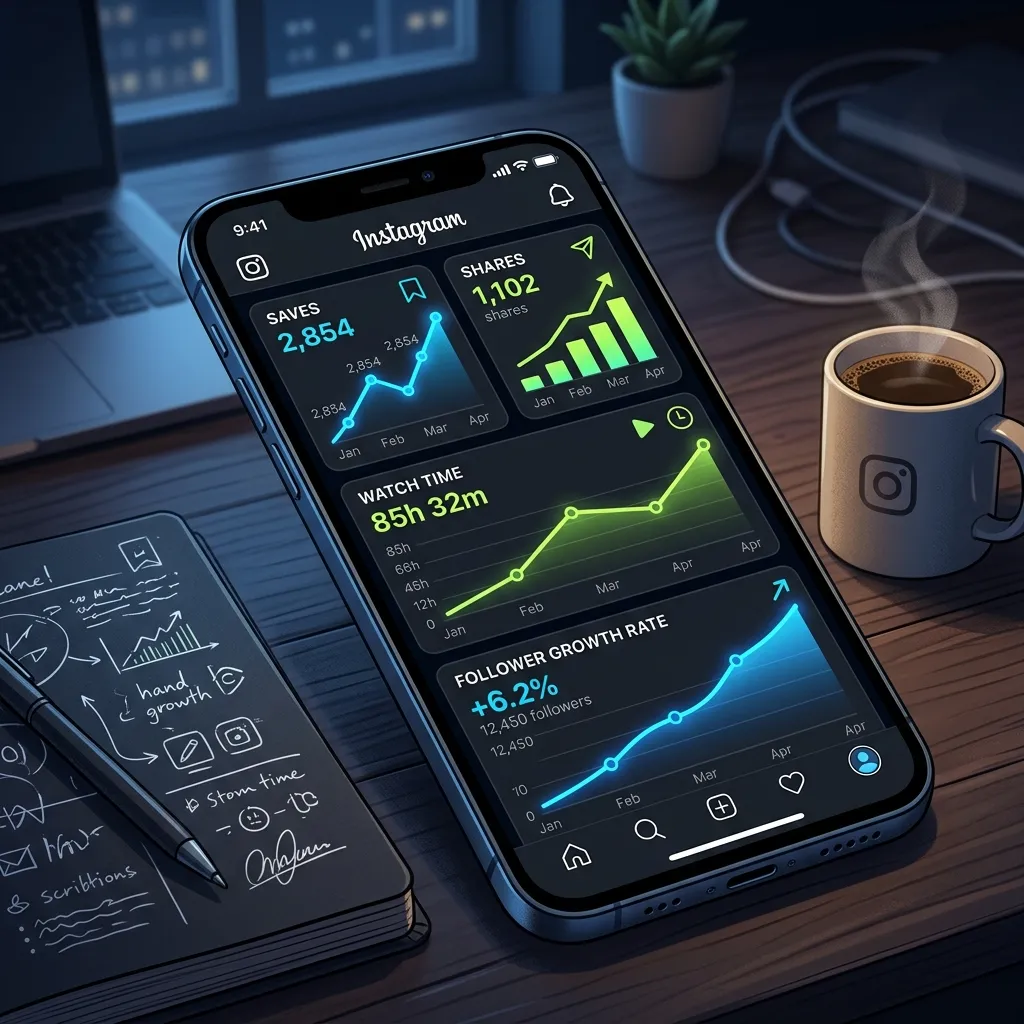
Save Rate Per Post
Calculate this by dividing the number of saves a post receives by its total impressions. If this rate increases after you reduce posting frequency, your individual content quality has measurably improved. A save rate above 3 to 4 percent indicates strong content performance. Above 6 percent is exceptional. This single ratio is arguably the clearest available indicator of genuine content value on Instagram — use it as your primary quality benchmark.
Share Rate Per Post
Divide shares received — particularly DM sends — by total impressions. When this metric climbs after reducing your posting frequency, it confirms that your content is resonating emotionally or practically at a level that makes people want to share it with specific individuals they care about. That type of content resonance is only achievable when you invest sufficient time in production and concept refinement.
Follower Growth Per Individual Post
Track new followers generated by each specific post — not your total follower count growth, but follows attributable to each individual piece of content. When you post less but produce better content, you should see meaningfully more follows per individual post, which indicates that the audience you are attracting is higher quality, more genuinely interested, and more likely to become loyal long-term followers rather than passive follow-backs.
Average Watch Time and Completion Rate for Reels
Review your average Reel watch time and watch-through completion percentage in Instagram Insights. If people are watching more of each Reel on average — spending more time with your content per view — it directly confirms that your content quality has measurably improved. This metric is particularly revealing because it almost cannot be artificially inflated: either viewers stay and watch because the content holds their attention, or they do not.
Conduct this comparative analysis after two full weeks of posting less. Compare the per-post performance metrics of your three weekly posts against the per-post metrics of your previous fourteen daily posts. In virtually every case across every niche, the fewer, more intentional posts will demonstrate stronger numbers across every quality metric listed above.
Real-World Creator Examples: Growing on Instagram by Posting Less
This is not a theoretical framework. Real creators are validating this model with documented results every week.
A fitness creator with 12,000 followers posted daily for eight months and grew at approximately 300 new followers per month. They were experiencing genuine creative burnout, recycling content ideas, and spending four or more hours daily on production. They switched to three intentional posts per week — one educational Reel, one client transformation story, and one myth-busting carousel debunking common fitness misconceptions. Within six weeks, their monthly follower growth jumped to 1,200 — a 4x improvement. Their save rate tripled. And they were investing less than half the time they had previously spent on content creation each week.
A food creator with 8,500 followers made the same strategic shift. Instead of posting quick 15-second recipe clips every day, they began producing two beautifully shot, step-by-step recipe Reels per week with detailed caption breakdowns explaining the technique rationale behind each step. Their engagement rate increased from 2.1 percent to 5.8 percent within one month. Brands proactively contacted them requesting collaboration opportunities — something that had never occurred during the intense daily posting phase.
A career coaching page reduced from daily text-graphic posts to three detailed carousel tutorials per week covering specific interview skills, resume optimization strategies, and salary negotiation frameworks. Their DMs shifted from occasional casual questions to a consistent stream of coaching service inquiries. They built a viable paid client acquisition pipeline through Instagram without running a single advertisement.
The pattern is consistent and clear across every niche: less content produced with greater intentionality generates meaningfully better measurable results. Every single documented instance.
A Practical Weekly Production Workflow for Fewer, Higher-Quality Posts
When you reduce posting frequency, your production workflow changes in ways that make the entire content creation process more efficient and sustainable. Here is a weekly system that keeps you organized and productive without creating a different kind of overwhelm.

Monday: Research and Content Ideation
Invest 30 to 45 focused minutes reviewing your performance analytics, reading recent comments and DMs, studying what content is performing well on competitor accounts in your niche, and identifying topics or questions your audience is actively asking about. Write down five to eight potential content ideas. Then apply the three-question quality filter to identify the strongest three for the week. This Monday research session completely eliminates the daily creative panic of wondering what to post — replacing it with a strategic weekly planning process that surfaces your best ideas before production begins.
Tuesday: Batch Film and Create All Three Posts
Dedicate a focused two-hour block to filming all three pieces of content in a single production session. Change outfits or locations between recordings as needed to provide visual variety in the published posts. Capturing all raw footage in one sitting is by far the most time-efficient approach — you reach a production flow state, your setup and lighting are already optimized, and you avoid the significant startup cost of getting camera-ready and mentally prepared for filming multiple times throughout the week.
Wednesday: Edit, Polish, and Refine All Three Posts
Edit all three posts on a single dedicated day. Write captions for each. Create or select cover images. Then spend specific, focused time obsessing over hooks — the first three seconds of each Reel or the opening line of each carousel slide. Rewatch each piece of content from the honest perspective of someone encountering your account for the very first time. Would they stop scrolling to watch this? If the honest answer is no, the hook needs additional work before publishing. Wednesday is your quality control day, not just your editing day.
Thursday Through Saturday: Publish and Actively Engage
Publish your three posts on their designated scheduled days. Critically, invest 20 to 30 minutes of active, focused engagement immediately after each post goes live — replying to every comment thoughtfully, responding to relevant DMs, and interacting with other accounts in your niche. This post-publication engagement window in the first 60 minutes after publishing meaningfully boosts early interaction signals, which positively influences how aggressively Instagram's algorithm distributes your content to non-followers.
Sunday: Rest Genuinely, Then Review Performance
Take a genuine creative and mental rest day. Then invest 15 focused minutes reviewing the week's performance metrics — which post earned the most saves, which generated the most shares, which earned the most profile visits, and which fell below your expectations despite strong production. Write one specific, actionable sentence about what you will do differently or double down on next week based on what the data is telling you. This weekly review loop is the continuous improvement engine that makes the entire system compound in effectiveness over time.
Common Objections to Posting Less (and Why They Do Not Hold Up)
"Won't the algorithm forget about me if I don't post every day?"
No. Instagram's distribution algorithm does not have a punitive memory that penalizes accounts for publishing less frequently. It evaluates each individual post based on engagement quality signals at the time of publication and in the hours immediately following. A three-day gap between posts is algorithmically irrelevant if the next post performs strongly. What genuinely hurts algorithmic distribution is consistently publishing content that people scroll past without any behavioral engagement — that negative signal compounds over time and is significantly harder to reverse than simply posting less frequently.
"But I see large successful accounts posting multiple times daily."
Large accounts with significant posting frequency have dedicated content teams. They employ content strategists, videographers, editors, graphic designers, and social media managers working collectively to maintain volume without sacrificing quality at scale. Their organizational infrastructure supports high-frequency publishing in ways that are simply not transferable to a solo creator or small team. Comparing your solo production capacity to a team of eight professionals and concluding that you should match their volume is not a realistic strategic framework.
"My overall engagement dropped when I started posting less."
Your total engagement volume may temporarily decline because you have fewer posts accumulating interactions. But your per-post engagement metrics — saves, shares, watch-through rate, follower growth per post — should measurably increase within two to three weeks of making the switch. Per-post engagement is the metric that actually matters for algorithmic distribution, because it represents the quality signal strength Instagram uses to decide how broadly to push each individual piece of content. Track the right metrics, and the performance picture changes completely.
Using Instagram Stories to Stay Visible Between Fewer Feed Posts
Posting less frequently on your feed does not mean disappearing from your audience's awareness. Instagram Stories are your daily visibility touchpoint — and they do not require the same production quality investment as feed posts or Reels.
Use Stories to share quick process updates, behind-the-scenes glimpses of your content creation, polls asking your audience relevant questions, casual personal thoughts that connect back to your content themes, and previews of upcoming posts. Stories keep your account consistently visible in the notification tray at the top of your followers' feeds, keep your name and presence top-of-mind between major feed posts, and maintain the relationship warmth that converts casual followers into genuinely loyal community members.
The combination of high-quality, strategically structured feed posts published three times per week plus consistent, casual daily Stories is the most effective overall Instagram strategy in 2026 for sustainable growth. The feed posts attract and convert new followers who discover your account through algorithmic distribution. The Stories keep existing followers engaged, loyal, and emotionally connected to the person behind the content.
Your Practical Quality-Over-Quantity Action Plan Starting This Week
Stop reading. Here is exactly what you are going to implement this week to apply everything covered above:
- Audit your last 20 posts and rank them by saves received. Identify your top 5 performing posts and document the specific patterns in topic, format, style, and hook structure.
- Designate three posting days for your weekly schedule. Tuesday, Thursday, and Saturday is a proven starting structure for most niches and audiences.
- Reserve Monday for research and ideation. Generate five to eight content ideas, then apply the three-question quality filter to select the best three.
- Batch all filming on Tuesday in a single focused session. Get camera-ready once and capture all three pieces of content back-to-back.
- Dedicate Wednesday entirely to editing and quality refinement. Rewrite every hook at least twice. Review each piece from a new viewer's perspective.
- Publish on your scheduled days and spend 30 focused minutes engaging with every comment immediately after each post goes live.
- Post Instagram Stories daily — keep them simple, honest, and low-production. They maintain visibility without adding significant creative burden.
- Review your save rate, share rate, watch-through percentage, and followers-per-post on Sunday. Compare to your previous two weeks of daily posting. Document the differences specifically.
That is the complete implementation framework. No expensive tools required. No elaborate strategy documents. Just a fundamentally better allocation of your existing creative time and attention that respects both your human capacity and the current reality of how Instagram's algorithm actually distributes content in 2026.
Conclusion: Why Posting Less Is the Smartest Instagram Growth Strategy in 2026
The era of frequency-first Instagram growth is definitively over. The creators building meaningful, sustainable audiences in 2026 are the ones who recognized something that feels counterintuitive but is demonstrably true: publishing less content with significantly greater intentionality and production quality consistently beats publishing more content at an adequate-but-forgettable level. Every time. Across every measurable metric that actually predicts long-term growth.
You do not need a daily posting schedule to build a significant Instagram presence. You need posts that people genuinely save, share with specific friends, and return to repeatedly. You need to give yourself the production time and creative space to make content that consistently stands out rather than content that simply fills a calendar slot. And you need to stop measuring your effort by volume and start measuring it by the quality of behavioral engagement each individual post generates.
Quality over quantity is not a cliché when applied with disciplined consistency to every single content decision you make. It is a genuine competitive strategy. In a content environment where the majority of creators are still grinding away on the daily posting treadmill, choosing to post less and produce better is the specific decision that will measurably move your Instagram growth in the right direction.
Post less. Produce better. Trust the compounding effect. Watch what actually happens to your saves, shares, and follower growth within two weeks.
Before you re-edit or repurpose your best-performing content for a quality-focused repost strategy, save a full-quality original copy using GrabReel's Reels Downloader. Starting from the original source file makes every subsequent edit sharper, every re-crop cleaner, and every repost strategy more effective.